End of tenancy cleaning Balham Broadway flats SW12
Posted on 18/07/2026
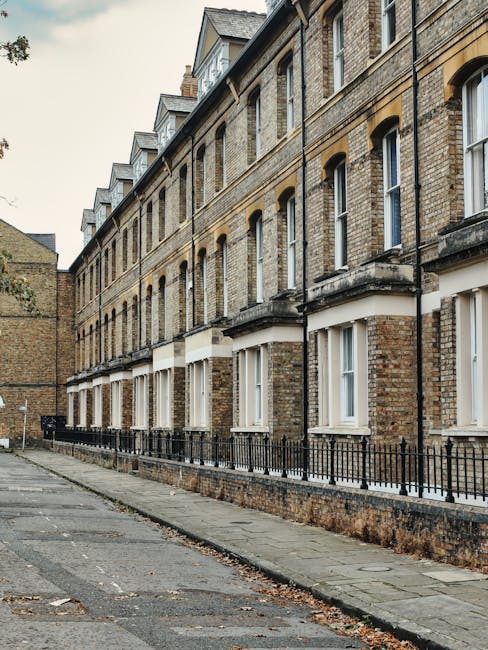
End of tenancy cleaning Balham Broadway flats SW12: a practical guide for move-out day
If you are moving out of a flat near Balham Broadway, you probably already know the feeling: boxes everywhere, a fridge that suddenly looks far smaller than it used to, and a long to-do list that keeps growing. End of tenancy cleaning Balham Broadway flats SW12 is the part that often decides whether the handover feels smooth or stressful. Do it well, and the inventory check is far less dramatic. Leave it half-done, and small things can turn into awkward deductions. In this guide, we'll walk through what end of tenancy cleaning really involves, what landlords and letting agents usually look for, how to avoid common mistakes, and how to prepare a Balham Broadway flat properly before the keys go back.
Truth be told, most people do not need more theory. They need a clear plan, realistic expectations, and a sense of what matters most in a compact London flat where dust, limescale, grease, and traffic dirt can build up quickly. That is exactly what you'll get here.
Why End of tenancy cleaning Balham Broadway flats SW12 Matters
End of tenancy cleaning is not just a "nice to have" at the end of a rental. It is the final reset of the property before the next occupant walks in. For Balham Broadway flats, that reset matters even more because flats here are often lived in hard. Commuters come in late, cooking happens in compact kitchens, windows collect street dust, and busy daily life leaves its mark faster than you'd expect.
The main reason it matters is simple: most tenancy agreements expect the property to be returned in a clean, well-kept condition, allowing for fair wear and tear. That usually means more than a quick tidy. It means cleaning the areas people remember when they inspect a property: the oven, the bathroom grout, the skirting boards, behind appliances, inside cupboards, and the carpets where footprints and dust love to settle.
Let's face it, a flat can look "fine" at a glance and still fail an inventory check. A shiny sink does not cancel out a greasy extractor fan. A swept floor does not hide dust on top of wardrobes. That is why proper end of tenancy cleaning is less about appearances and more about consistency.
For tenants, the goal is usually to protect the deposit and leave on decent terms. For landlords and agents, the goal is to present a clean, ready-to-let home without delay. And for both sides, the best outcome is the same: less back-and-forth, fewer disputes, and a cleaner handover.
If you are also planning a bigger move within the area, it can help to look at related local guidance such as moving advice for Balham or this helpful Balham home-selling guide if your situation is a sale rather than a rental.
How End of tenancy cleaning Balham Broadway flats SW12 Works
At its core, end of tenancy cleaning follows a room-by-room method with a strong focus on detail. The job usually starts with decluttering and removing anything left behind, then moves into deep cleaning surfaces, fixtures, fittings, and floors. In flats, the job is often shaped by size and layout. A one-bedroom apartment can still take a surprising amount of time if the kitchen and bathroom are heavily used, or if limescale and grease have built up over months.
The work normally begins at the top and moves downward. That means dusting high shelves, light fittings, tops of doors, and curtain rails before cleaning lower surfaces, sinks, tiles, cupboards, and floors. This helps stop dust from landing on freshly cleaned areas. Simple enough, but easy to miss when you are tired and packing at the same time.
A proper service typically includes:
- kitchen degreasing and appliance cleaning
- bathroom descaling and sanitising
- inside and outside cupboard cleaning
- skirting boards, doors, frames, and switches
- vacuuming and mopping all accessible floors
- spot cleaning marks on walls where appropriate
- cleaning internal windows and window ledges
- carpet and upholstery attention if included in the scope
In a Balham Broadway flat, access and timing can matter too. Shared entrances, parking restrictions, narrow stairwells, and limited lift access can all affect how the job is organised. That is why a quick conversation before the clean often saves a lot of frustration later. A good plan on paper, and a realistic one in the real world, are not always the same thing.
If carpet cleaning is needed as part of the handover, it is worth understanding the separate carpet care element too. You can read more about carpet cleaning in Balham for context on what often needs extra attention before a tenancy ends.
Key Benefits and Practical Advantages
The obvious benefit is deposit protection, but there are several other advantages worth saying out loud. A strong end of tenancy clean reduces stress, improves the chance of a smooth checkout, and makes the property feel properly finished rather than merely vacated. There is a psychological relief in that, too. You close one chapter cleanly. Nice feeling, that.
Here are the main practical advantages:
- Lower risk of deposit deductions - especially where cleaning is specifically mentioned in the tenancy agreement.
- Better inventory results - many disputes begin with tiny overlooked details.
- Faster turnaround - useful if the landlord wants the flat re-let quickly.
- Less end-of-tenancy stress - moving is chaotic enough already.
- Cleaner final impression - useful whether you are a tenant, landlord, or letting agent.
There is also a hygiene benefit. Kitchens and bathrooms can hold onto odours, residue, and bacteria more stubbornly than people think. Once a flat is empty, those problem areas become much more obvious. A sink that looked okay while you were living there can suddenly look quite tired under the daylight. Same for shower screens, oven racks, and bin cupboards. They are the quiet offenders.
From a practical perspective, this type of cleaning is also part of wider property upkeep. If you are comparing services, it can help to see where end of tenancy cleaning sits alongside deep cleaning in Balham and spring cleaning services, because the boundaries can overlap a little.
Who This Is For and When It Makes Sense
This service makes sense for more people than you might first think. It is not only for tenants who have made a mess. Sometimes the flat is fairly tidy, but the tenancy still requires a professional-standard clean. Sometimes a property has been occupied for years and needs a serious reset. Sometimes the issue is time, not dirt.
It is especially relevant if you are:
- a tenant preparing to hand back a flat in SW12
- a landlord getting the property ready for new occupants
- a letting agent arranging a quick turn-around between tenancies
- a house sharer leaving one room in a shared flat and needing their area cleaned properly
- a mover who has also had carpets, upholstery, or curtains affected by everyday use
For tenants, the biggest trigger is usually the checkout inspection date. When that date is close, DIY cleaning can become rushed. At that point, you are mopping around moving boxes, wiping surfaces between trips, and trying not to forget the oven. Not ideal. For landlords, the service makes sense when the place needs to be ready for marketing photos, viewings, or new occupancy without delay.
If you are thinking more broadly about property life in the area, these local reads can also help: a property purchase guide for Balham and an overview of Balham's neighbourhood appeal. Different stage of the journey, same local context.
Step-by-Step Guidance
Here is a practical way to approach end of tenancy cleaning without making it more complicated than it needs to be. You do not need to be dramatic about it. Just systematic.
- Check the tenancy agreement and inventory
Look at what the property was like when you moved in. Was it professionally cleaned then? Were carpets cleaned? Were appliances listed? This gives you the standard you should work towards.
- Declutter completely
Cleaning around boxes is a recipe for missed areas. Remove all personal items first, including food from cupboards and random bits from shelves. You know the drawer of mystery cables? Yes, that drawer.
- Start with the kitchen
The kitchen usually needs the most effort. Focus on oven interiors, extractor fans, hob grease, splashback tiles, the fridge, and cupboard handles. Pay attention to corners and seals.
- Move to the bathroom
Descale taps, shower screens, tiles, and taps. Clean behind the toilet if accessible, and do not forget the extractor fan grille and skirting.
- Clean high-touch surfaces throughout the flat
Light switches, door handles, banisters, remote controls, and cupboard doors collect fingerprints and dust. These details often decide how "clean" a property feels.
- Deal with floors last
Vacuum carpets thoroughly, including edges and under furniture where possible. Mop hard floors after other dust-producing tasks are done.
- Check windows, ledges, and radiators
These are classic forget-me areas. In a compact flat, they can actually be more noticeable than people expect.
- Do a final walk-through in daylight
Natural light is unforgiving, but useful. Around late morning or early afternoon, streaks, marks, and dust become easier to spot. Annoying, but helpful.
If you need a broader service in the same preparation window, our end of tenancy cleaning Balham page explains the service more broadly, while the services overview is useful if you are comparing what fits your move-out timeline.
Expert Tips for Better Results
Small improvements make a big difference at checkout. In our experience, the flats that pass smoothly are not always the most spotless in every corner. They are the ones where the obvious trouble spots were handled properly and the work was checked twice.
- Use the right cleaner for the surface. Strong bleach on the wrong material can create more problems than it solves.
- Let products dwell when needed. Oven cleaner and descaling products usually need a little time to work. Rushing is a false economy.
- Work from clean to dirty. It sounds basic, but it saves you from re-cleaning dust onto already finished surfaces.
- Take photos after cleaning. Useful if anything is questioned later. Not glamorous, but practical.
- Don't forget removable fittings. Shelving, bins, shower heads, and filters can all be removed and cleaned separately if suitable.
- Fresh air helps. Open windows during and after the clean where possible. A flat can smell oddly "finished" when it has been aired properly.
A small but useful tip: clean the areas that catch light first. Chrome taps, glass screens, mirrored wardrobes, and dark worktops show streaks very easily. If these are handled well, the whole flat feels better, even before every last shelf is polished.
For softer furnishings, a little specialist care can matter. If curtains or velvet pieces need attention, this article on keeping velvet drapes pristine is a good related read.

Common Mistakes to Avoid
Most end of tenancy issues come from predictable mistakes rather than terrible cleaning. That is actually good news, because predictable things are fixable.
- Leaving the clean until moving day - once the removals van arrive, your focus disappears fast.
- Ignoring appliances - ovens and fridges are repeat offenders in checkout reports.
- Cleaning around clutter - if something was on a shelf, the dust behind it still counts.
- Forgetting limescale and grease - they stand out more in empty rooms than in occupied ones.
- Skipping the final inspection - even a short walk-through can catch things you missed earlier.
- Assuming "tidy" means "clean enough" - not always, sadly.
Another mistake is underestimating the difference between normal domestic cleaning and a move-out standard. A weekly clean keeps life manageable. End of tenancy cleaning asks for a deeper, more detailed finish. Different job, different level of scrutiny. If the property has had heavy use, a one-off tidy rarely covers it.
Sometimes people also forget that tenancy disputes are often about evidence, not memory. If something is disputed, inventory notes and photos matter. A flat can feel clean to you and still be classed differently by the checkout report. That part is a bit maddening, but it is the reality.
Tools, Resources and Recommendations
You do not need a van full of gear, but you do need the right essentials. A lot of disappointment comes from using the wrong tool for the job or trying to clean everything with one cloth and optimism. Brave, but not efficient.
| Area | Useful tools | What to watch for |
|---|---|---|
| Kitchen | Degreaser, microfibre cloths, scraper, oven cleaner | Avoid damaging coatings and seals |
| Bathroom | Descaler, soft brush, cloths, grout cleaner | Test strong products on delicate finishes |
| Floors | Vacuum, mop, suitable floor cleaner | Use the right cleaner for wood, tile, or laminate |
| Glass and mirrors | Glass cleaner, lint-free cloth | Streaks show up fast in daylight |
| Soft furnishings | Fabric-safe cleaner, upholstery brush | Always check suitability before applying anything |
In practice, the best resources are the ones that help you decide whether a job is straightforward DIY or better left to a specialist. For a broader look at the types of cleaning support available locally, the pages on one-off cleaning in Balham, domestic cleaning, and house cleaning in Balham can help you compare the different levels of service without overthinking it.
You may also want to check practical service information such as pricing and quotes, payment and security, and insurance and safety if you are looking at a professional provider. It is always better to know the basics before you book.
Law, Compliance, Standards, or Best Practice
For tenancy cleaning, the main thing is usually not a single dramatic law but the everyday standards set by the tenancy agreement, the inventory report, and general expectations of fair wear and tear. In the UK, tenants are generally expected to return the property in the same cleaned condition they received it, minus normal wear. The exact wording matters, so the agreement should always be checked carefully.
Best practice usually means:
- matching the original inventory condition as closely as reasonable
- keeping records and photos of the final clean
- using appropriate products safely
- not causing damage while trying to clean
- being clear on what is included and what is not
If a landlord or agent requests professional cleaning, that request still needs to sit within the tenancy terms. There can be disputes if expectations are vague, so clarity helps everyone. It is also sensible to choose a provider that follows reasonable safety practices, especially where ladders, strong products, or electrical appliances are involved.
One more small but important point: end of tenancy cleaning should never be treated as a shortcut around damage. Cleaning removes dirt. It does not repair chips, burns, broken fixtures, or staining that has permanently altered a surface. That distinction matters. It really does.
For company background and standards, it can also be reassuring to read pages like about us, health and safety policy, terms and conditions, and privacy policy.
Options, Methods, or Comparison Table
If you are deciding how to handle a move-out clean, there are usually three sensible routes. Each one has its place.
| Option | Best for | Pros | Watch-outs |
|---|---|---|---|
| DIY clean | Very tidy flats with limited buildup | Lower direct cost, full control | Time-consuming, easy to miss detail areas |
| Mixed approach | Tenants who can handle basics but need help with key tasks | Flexible, practical, often balanced | Coordination needed, quality can vary |
| Professional end of tenancy clean | Heavier use properties, tight deadlines, deposit-sensitive handovers | More thorough, efficient, less stress | Higher upfront spend |
The mixed approach is often underrated. A tenant might handle decluttering, laundry, and surface wiping, then bring in help for carpets, ovens, or final detailing. For many Balham Broadway flats, that is the sweet spot. Not every job needs the same level of intervention. Sometimes it just needs the right kind of help in the right place.
If you are exploring a broader scope of clean rather than a tenancy-specific finish, the deep cleaning service and spring cleaning option may be relevant too.
Case Study or Real-World Example
Here's a typical scenario. A tenant in a Balham Broadway one-bedroom flat gives notice at the end of a busy year. The flat is not filthy, but the kitchen has grease around the hob, the bathroom has limescale on the shower screen, and the living room carpet has picked up a dull traffic pattern near the hallway. There are also marks around light switches and a forgotten layer of dust on top of the wardrobe.
They start cleaning after work, which is the first issue. By the time they finish packing, it is late. They wipe the visible bits, vacuum the floor, and call it a night. The next morning, in full daylight, the marks are still there. Not glaring, but noticeable. That is usually how these things go.
They then split the job properly: declutter first, tackle the kitchen with enough dwell time for the cleaner to work, descale the bathroom, clean high-touch surfaces, and vacuum slowly along skirting edges. They finish with a final check by the windows, where the light reveals one streaky mirror and a dusty radiator. A small extra pass fixes both.
The outcome? A far cleaner handover, less panic on inspection day, and no awkward "you missed this" conversation at the end. Not magic, just good sequencing. The flat felt ready because it actually was ready.
Practical Checklist
Use this as a last-pass checklist before the checkout inspection. Keep it simple and tick each item off one by one.
- all personal items removed from cupboards, shelves, and drawers
- kitchen appliances cleaned inside and out
- oven degreased and racks wiped
- fridge/freezer emptied, cleaned, and defrosted if needed
- bathroom taps, tiles, shower screens, and grout cleaned
- toilets, sinks, and drains checked for visible dirt or residue
- doors, handles, switches, and skirting boards wiped
- all floors vacuumed or mopped thoroughly
- windows, ledges, and mirrors cleaned
- rubbish removed and bins emptied
- carpets spot-checked for stains or dull patches
- final walk-through done in daylight
- photos taken after the clean
Expert summary: if you want the clean to hold up at inspection, focus first on the places people touch, cook, wash, and walk through every day. That is where the real difference shows.
If you want help coordinating the final stage of the move, you can also request a quote or use the main contact page if you prefer to talk things through first. For a quick look at the broader service range, the blog can also be handy.
Get a free quote today and see how much you can save.
Conclusion
End of tenancy cleaning Balham Broadway flats SW12 is really about finishing well. It protects the deposit where possible, makes the checkout process calmer, and leaves the property in a state that feels fair to everyone involved. The work is not glamorous, and nobody reminisces fondly about descaling shower screens, but the result matters. A lot.
If you take one thing from this guide, let it be this: do not leave the final clean to chance. Use a method, check the hidden areas, and give the property a proper last look in daylight. That one extra pass often saves a lot of hassle. And once it is done, you can walk away from the flat knowing you left it properly. Which, to be fair, is a pretty good feeling.